Energy efficiency plays a crucial role in refrigeration technology. Cooling and air conditioning systems often run around the clock and are among the biggest energy consumers in many businesses. Optimizing these systems can not only significantly reduce operating costs but also sustainably reduce the environmental impact.
This article explains which factors influence energy efficiency and which measures have proven effective in practice.
Why energy efficiency is so important in refrigeration technology
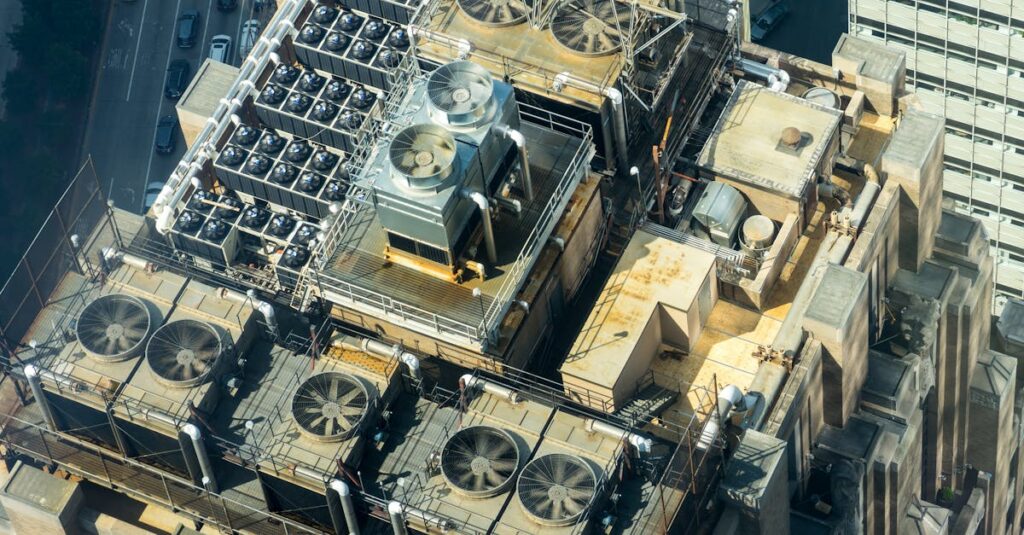
In commerce, industry, food retail, or logistics, refrigeration often accounts for a significant share of total electricity consumption. Even small efficiency improvements can therefore have a major financial impact.
The advantages of energy-efficient refrigeration technology:
Lower electricity costs
Reduced CO₂ emissions
Increased operational reliability
Longer lifespan of the systems
Compliance with legal requirements
The most important factors influencing efficiency
1. Choosing the right refrigerant
Modern refrigerants with good thermodynamic properties enable a higher coefficient of performance (COP). At the same time, environmental regulations and future-proofing should be taken into account.
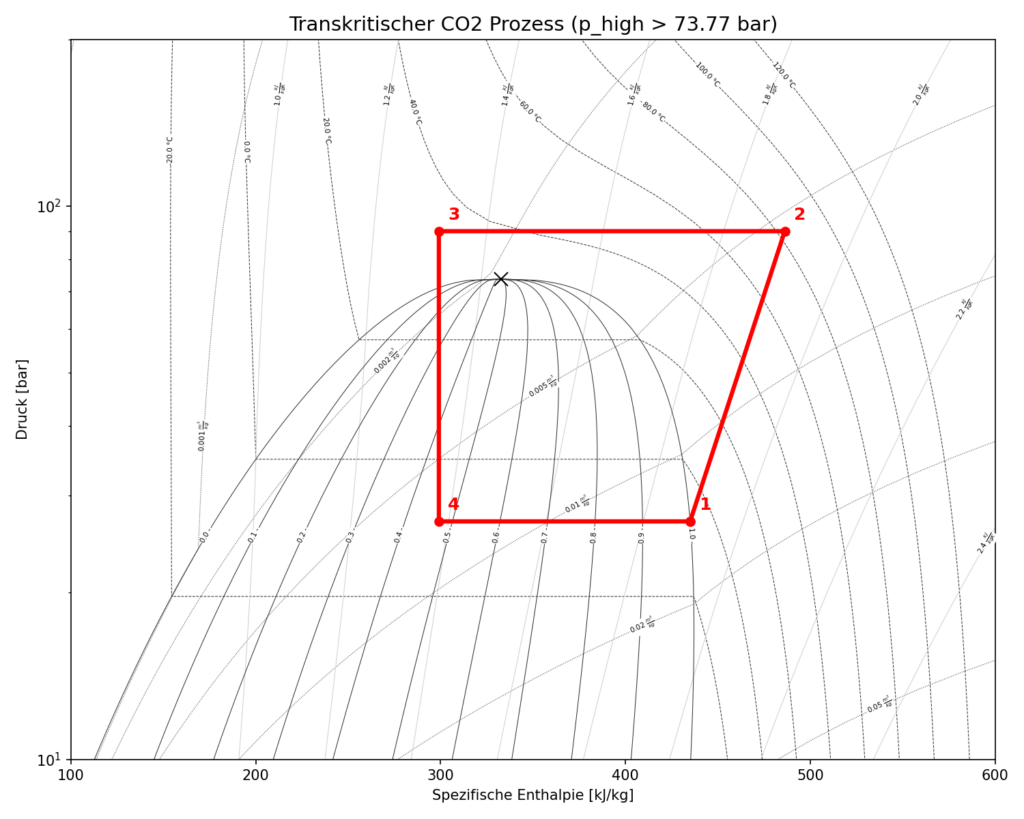
Natural refrigerants such as CO₂ (R744), propane (R290) or ammonia (R717) often offer very good efficiency values – especially with optimal system design.
2. Optimized system design
A correctly sized system is crucial. Oversized systems lead to frequent cycling, while undersized systems run at full load continuously.
Key points:
Needs-based planning
Consideration of real load profiles
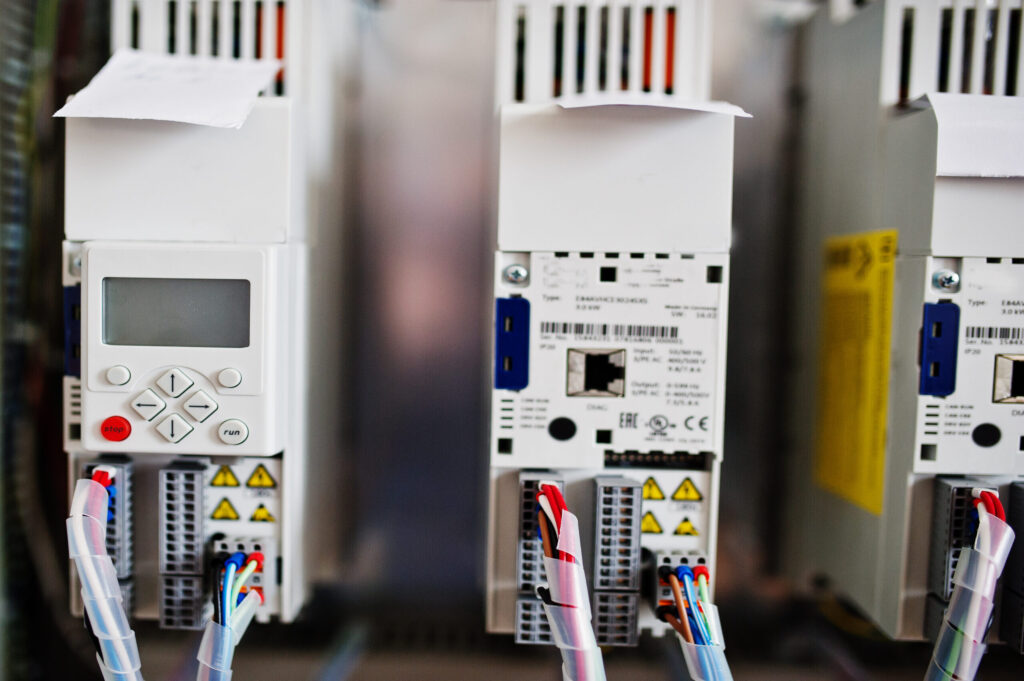
Use of speed-controlled compressors
Intelligent control technology
3. Utilize heat recovery
Waste heat is generated during refrigeration. Modern systems can recover this energy and use it, for example, for:
Heating purposes
Hot water preparation
Underfloor heating
This allows for a significant increase in overall energy efficiency.
4. Regular maintenance and optimization
Dirty heat exchangers, incorrect refrigerant fill quantities, or poorly adjusted controls can significantly reduce efficiency.
Recommended are:
Regular leak tests
Cleaning of condensers and evaporators
Checking the control parameters
Monitoring of energy consumption
Even small measures can have a big impact here.
5. Digital monitoring and energy monitoring
Modern control and monitoring systems enable continuous analysis of plant operations. Irregularities are detected early, before significant additional costs or damage occur.
Data-driven optimization can often achieve savings of 10–30%.
Energy efficiency as a competitive factor
Rising energy prices and stricter environmental regulations are making energy-efficient refrigeration technology increasingly important for economic success. Companies that invest in modern technology early on benefit from:
Predictable operating costs
Funding opportunities
Sustainable image
Greater future security
Conclusion
Energy efficiency in refrigeration technology is not a trend, but a necessity. Significant savings potential can be realized through proper planning, modern components, regular maintenance, and intelligent control.
Those who take a holistic view of their system and continuously optimize it not only reduce costs, but also make an important contribution to climate protection.